
Telephone and e-consultation are available when sought. Contact Us to arrange.

Telephone and e-consultation are available when sought. Contact Us to arrange.

A large, qualified and dedicated team to serve you
Get the personal attention you deserve
State-of-the-art corrective eye surgery
Tailor made sophisticated treatment options to achieve your individual goals
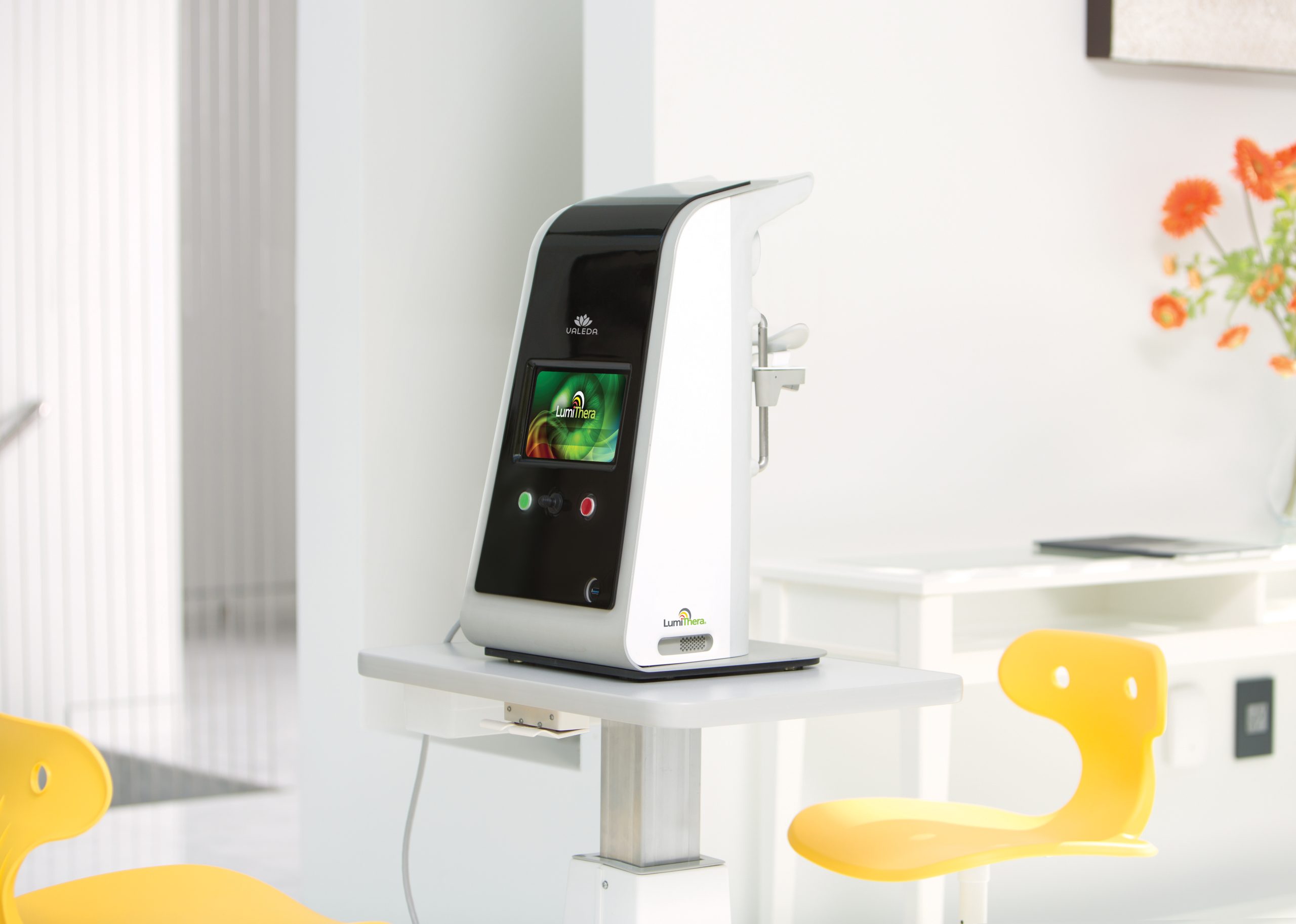
Age-related Macular Degeneration (AMD) is one of the most common causes of progressive loss of central vision in adults over 50 years of age. The dry form of AMD develops relatively slowly, in which the light-sensitive cells of the macula become less effective and small degenerated deposits called drusen form under the retina. These changes affect many daily living activities such as reading, driving, or recognizing the faces of loved ones.
Modern research around the eyes has brought exciting possibilities for preserving retinal health and changing the course of the disease. Patients of the Eye Correction Centre can access clinically validated options that aim to preserve eye health and independence in the day-to-day. Non-invasive technologies such as Valeda Light Therapy are examples of this innovation and provide the opportunity to assist in the protection of retinal cells and help slow down degeneration. As patients learn about dry AMD and the options available to them, they can exercise their choices in the area of protection of their vision.
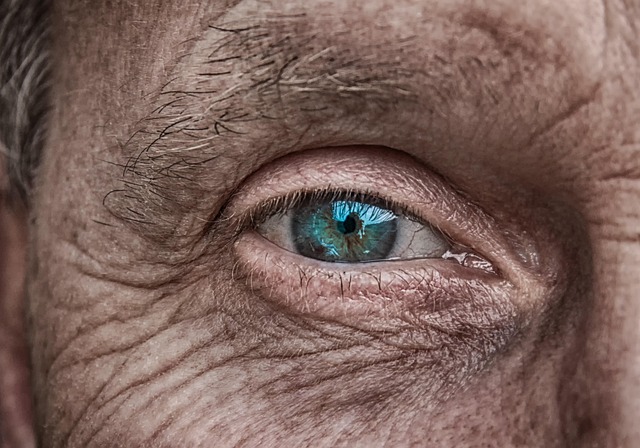
Dry AMD is a chronic eye disease that impacts the macula – the small “central” portion of the retina that is responsible for detailed vision. Over time the macular cells that detect light atrophy or fail and cause central vision to be blurred or distorted but peripheral vision stays intact.
Dry AMD does not usually lead to total blindness, but it can severely affect the ability to do visual tasks that require detail. Its etiology is multifactorial including genetics, smoking, exposure to ultraviolet light, high blood pressure, and a poor diet, all of which slowly damage retinal tissue over time.
There are two types of AMD – dry and wet type. The dry type is more common and proceeds slowly versus wet AMD. Early detection, ongoing monitoring, and light based therapies that are emerging are giving patients hope for preserving quality of life and preventing vision from getting worse.
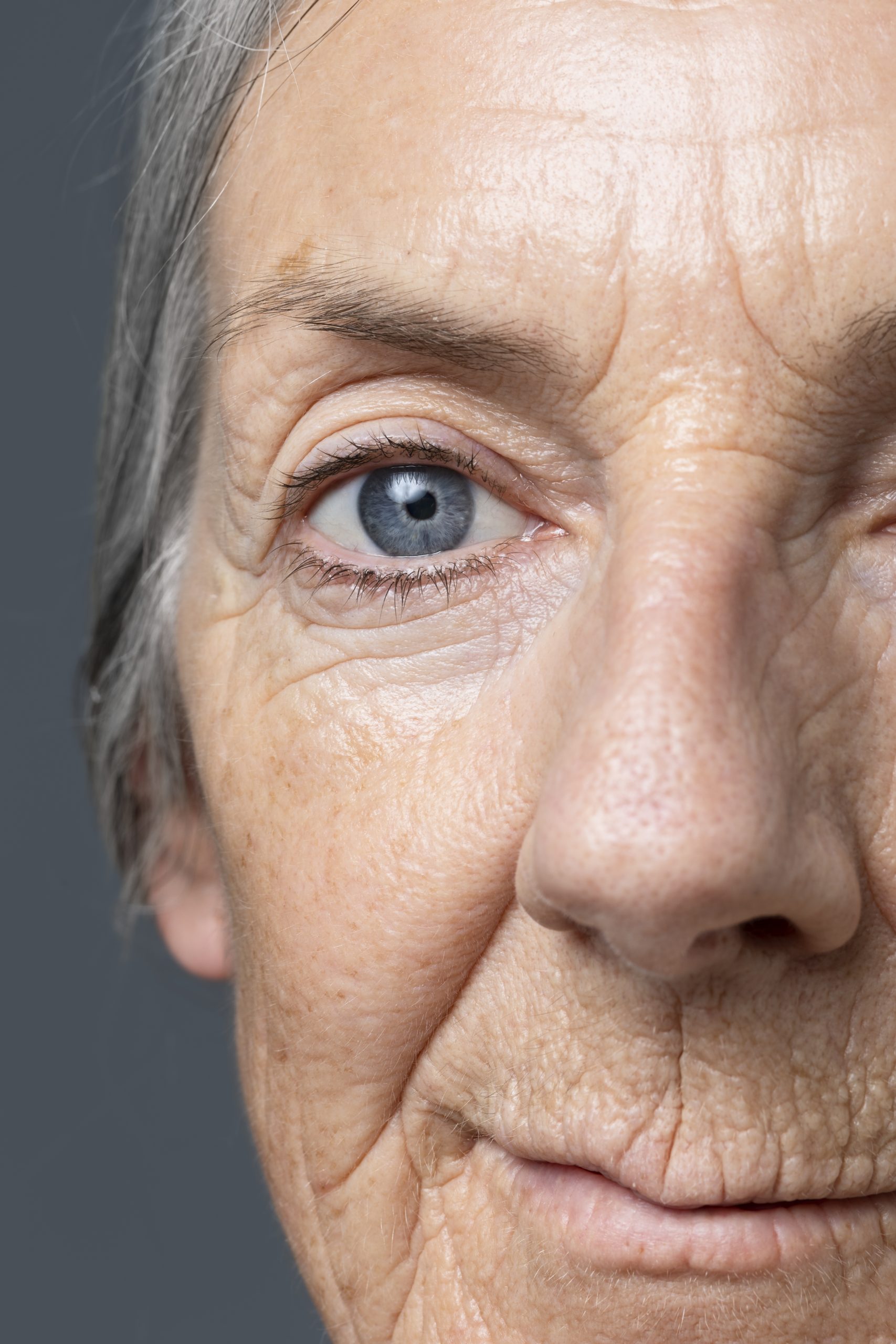
Dry AMD frequently advances without expressing symptoms in its early stages and may simply produce mild changes, which can be easy to miss. Possible signs include:
If you experience any of these signs, it is important that you have a complete eye exam. Once Dry AMD is detected, intervention can be started to help preserve your remaining vision, which may include nutritional advice and light-based therapy programs.
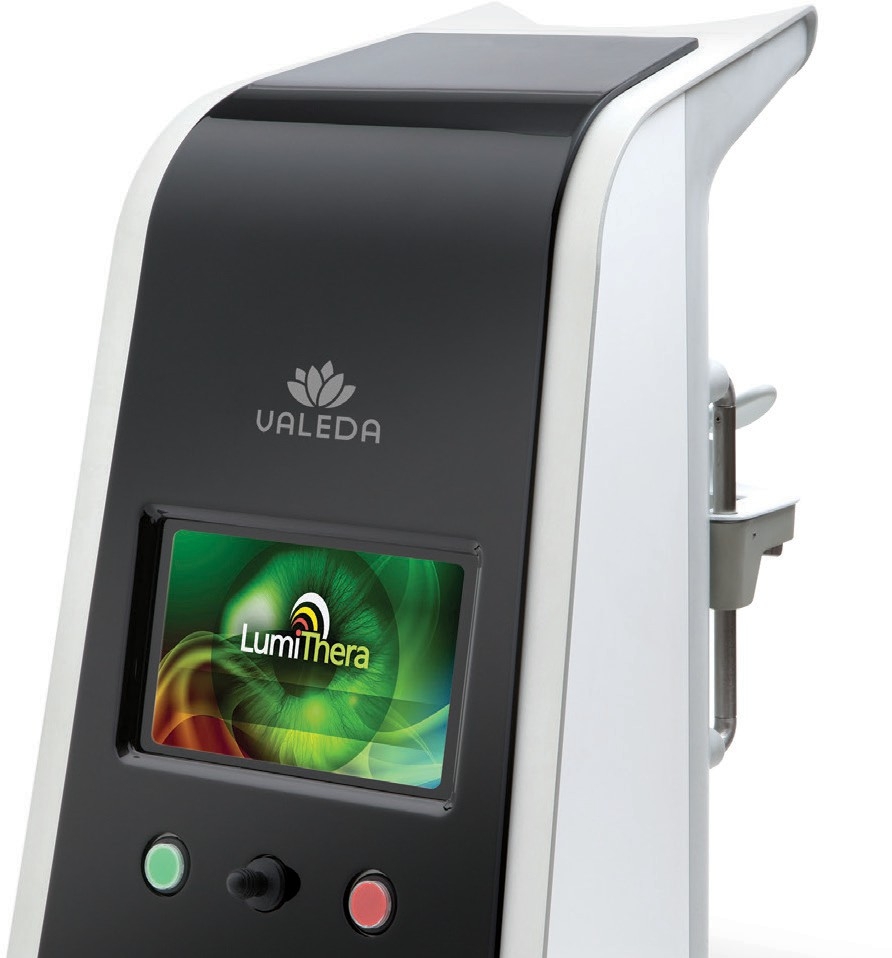
The retina is home to millions of photoreceptor and support cells. These cells require continuous energy generation in order to remain functional and healthy. As cells age, oxidative stress and limited mitochondrial function can lead to damage and loss of central vision clarity. Valeda Light Therapy utilises targeted wavelengths of light that promote healing and enhance cellular metabolism.
Each wavelength plays a distinct role:
The actual treatment time is relatively short, 5 minutes per eye, and the delivery generally occurs over a three week cycle. This controlled treatment will rejuvenate the retinal environment subtly and without discomfort or downtime, helping to address the overall goal of decreasing the progression of Dry AMD.
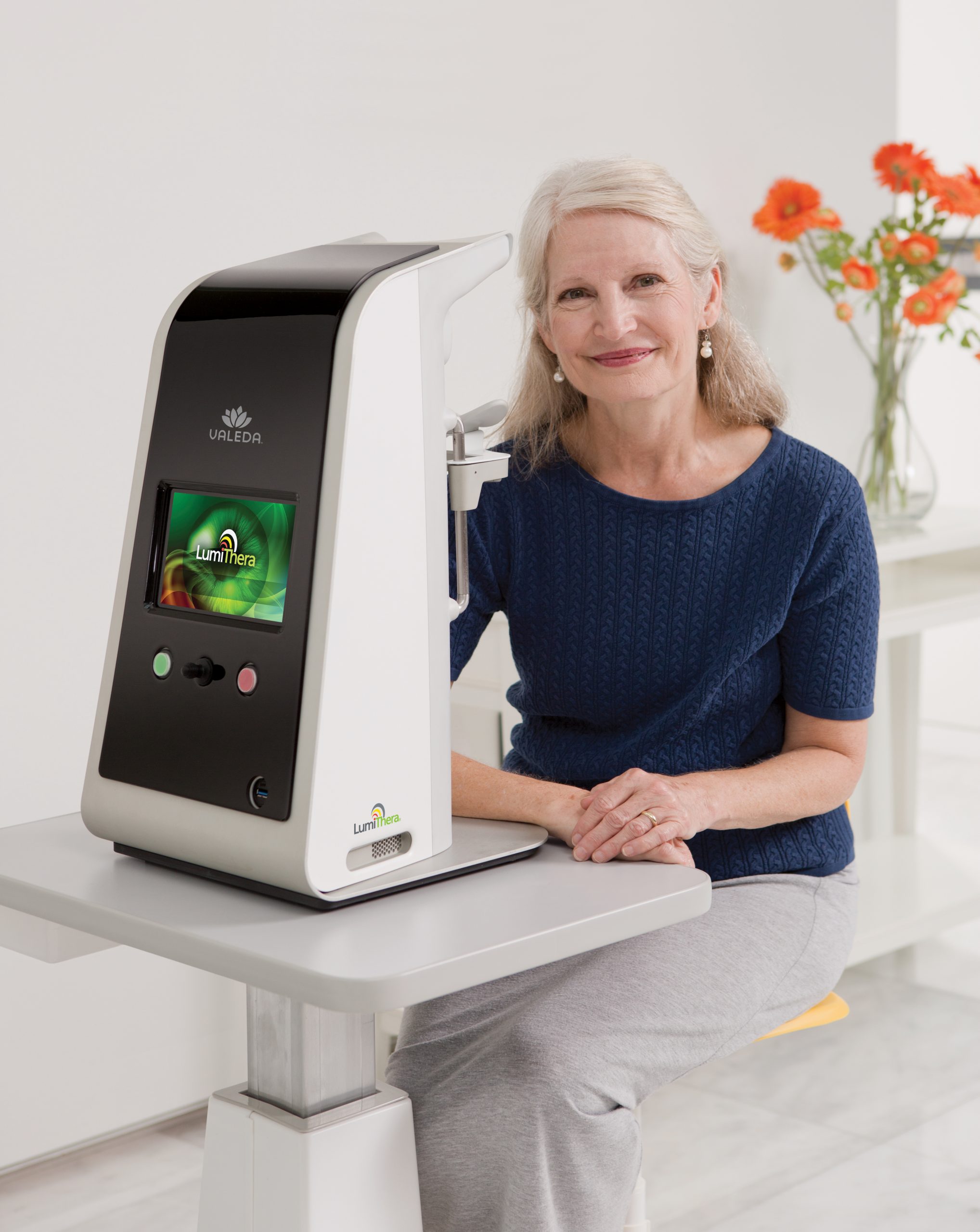
Every patient gets an individualised pathway that is structured for comfort and effectiveness throughout the entire process.
This straightforward process makes light therapy remain accessible, safe, and easy to integrate in daily life.

Valeda Light Therapy is generally appropriate for patients diagnosed with early-to-intermediate stage Dry AMD who want to slow progression. The majority of candidates are over 50 years of age and have been informed by their eye-care professional that they have the dry form, rather than the wet form of macular degeneration.
Valeda treatment is not recommended if any patient has a known sensitivity to flashing lights, light triggered migraines, or epilepsy. During the initial consultation, each patient’s medical history is reviewed to ensure safety.
For suitable candidates this therapy allows for the alteration of retinal-cell health in a safe and non-invasive manner with clinical evidence to support its use.

Clinical trials and real-world investigations provide encouraging evidence of improvements in overall visual ability following completion of Valeda cycles. Most participants experience sharper central vision, better contrast sensitivity, and an overall easier time reading or recognizing faces.
Imaging often shows evidence of reduced small drusen, which accumulate in the retina over time. These findings are reflective of improved metabolic function and reduced cellular stress.
Variability in results exists; however, establishing consistent treatment cycles are successful in maintaining visual stability and daily independence. For many individuals, the benefits seen contribute to renewed confidence and the ability to participate in pre-existing leisure pursuits without risk of interruption.

The much heralded safety of Valeda Light Therapy is excellent. The treatment is not a hands-on procedure, it is painless, and medication or anesthesia is not required.
Some patients may notice some mild sensitivity to light or brief after-images immediately after their treatment. These effects are temporary, fading after a few minutes, and do not impede daily activities. No long-term adverse effects are known.
Because each treatment session employs strictly controlled wavelengths and intensity, the therapy presents no injury risk to the eye. Patients can drive, read or interact with a computer, as soon as they leave the clinic.
The Eye Correction Centre has clear pricing to make it easy to apply treatment.
All prices include imaging, and every treatment session which will be overseen by a consultant. Payment options can be discussed at your appointment.
Private health insurers do not cover this therapy as of yet, however investment in your long-term visual independence is viewed as a priority by many patients.
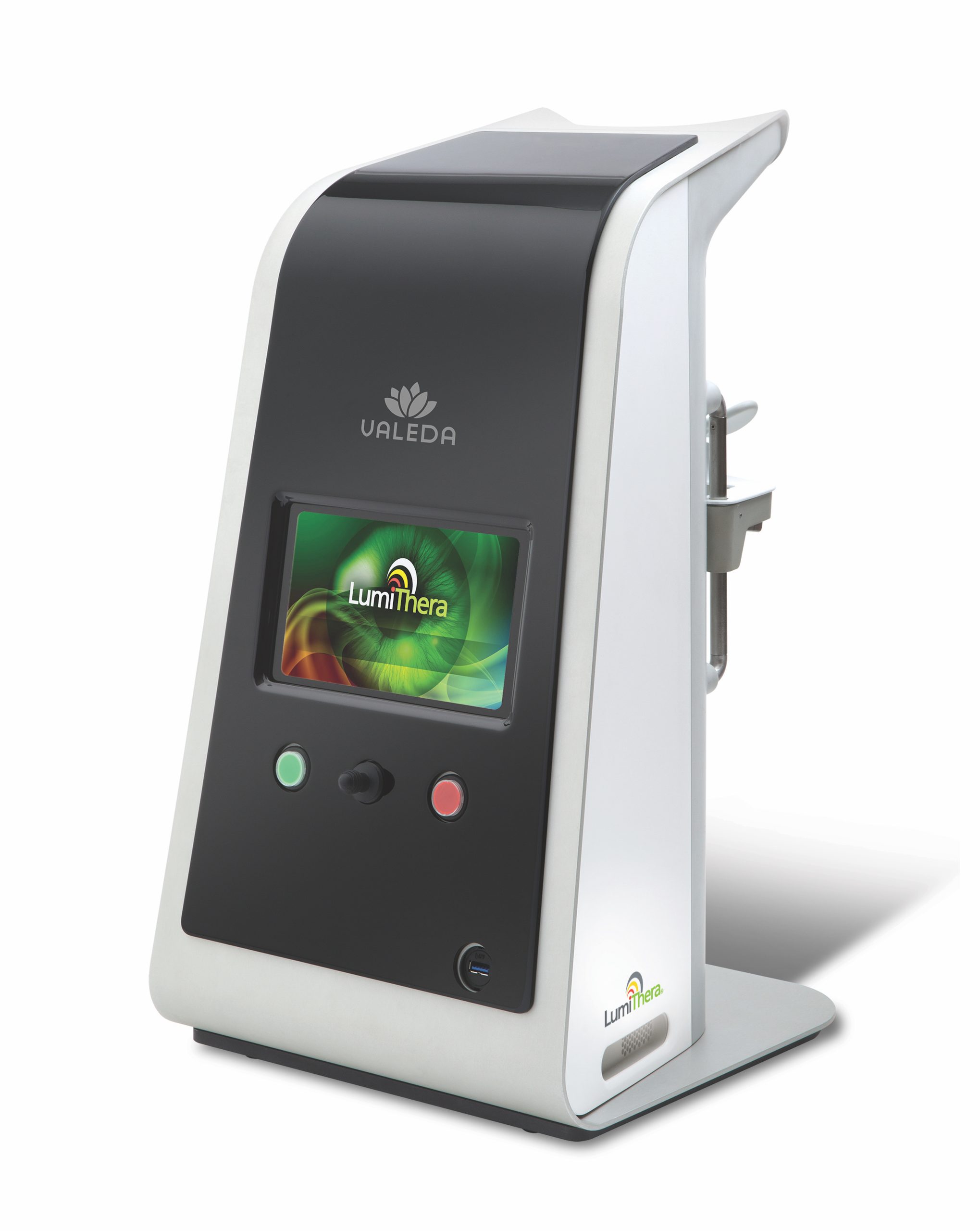
After going through your treatment cycles, it is important to practice a healthy visual lifestyle to achieve the best possible results while slowing the rate of future degeneration.
All of these combined with Valeda Light Therapy will optimise your treatment outcomes and protect your vision in the future.
In the event that you or someone you love has been diagnosed with Dry AMD, taking action sooner than later will result in a better outcome that could last a lifetime. The Eye Correction Centre provides expert assessments, advanced imaging, and access to the newest FDA-approved light therapy, designed to preserve vision naturally.
It’s easy to book your consult, just fill out the online form or call the clinic to set your first appointment. Our coordinators are friendly and will walk you through the entire process and answer all of your questions so you know what to expect each step of the way.
Benefit from compassionate care and cutting-edge technology working together to protect your vision and quality of life.


